Hamster Script: Unlocking Creative Flow in Your Designs
There is a moment in every project where the typeface decides the mood. You might have a solid layout, a good color scheme, and compelling copy, but if the font feels stiff, the whole design falls flat. For those of us working on projects that need a distinct human element—whether it is a wedding invitation, a logo for a boutique shop, or a social media graphic—finding a script font that doesn't look like a generic default is the key to success. Enter Hamster Script, a typeface that manages to balance playful energy with professional execution.
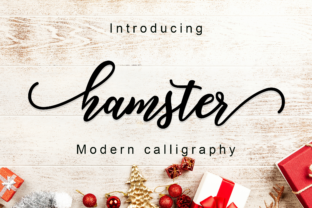
I have spent a significant amount of time integrating this font into various mockups and client work, and the first thing you notice is the texture. It does not have the mechanical, vector-perfect lines of a standard corporate font. Instead, it offers a handwritten font aesthetic that feels genuine. The strokes are smooth, mimicking the flow of a brush pen, but they maintain a consistency that makes it legible even at smaller sizes. It is a premium font that feels accessible, bridging the gap between casual doodles and high-end editorial design.
The Visual DNA: Swashes and Alternates
What truly sets Hamster Script apart from other options on the market are the stunning swashes and alternates. If you have ever used a script font where every "o" looks exactly the same, you know how repetitive and artificial text can appear. Hamster Script solves this by loading the font file with OpenType features.
When you enable stylistic alternates, the font begins to behave like actual handwriting. The letters connect differently depending on their neighbors. The swashes allow you to add dramatic flourishes to capital letters or the ends of words, which is perfect for logo design where you want a "splash" of personality. This variety is crucial for maintaining visual interest. In packaging design, for example, this feature allows you to create a look that feels bespoke and artisanal, rather than mass-produced.
Practical Applications Across Industries
One of the strengths of a versatile typeface is its ability to adapt to different mediums. Hamster Script works exceptionally well for brand identity projects, particularly for brands that want to appear approachable and warm. Think about coffee shop menus, beauty product labels, or lifestyle blogs. The font exudes a "smooth personal touch" that invites the reader in.
However, it is not limited to rustic or vintage projects. When paired correctly, it works beautifully in modern web design. Imagine a hero section on a website where the headline uses Hamster Script in a bold color, contrasted against a clean, geometric sans serif font for the body text. This creates a strong visual hierarchy that guides the user's eye exactly where you want it.
Mastering Font Pairings and Hierarchy
As a creative font, Hamster Script is a display typeface at heart. It is designed to be seen, not necessarily to be read in long paragraphs. When working on a layout, your goal is to use the script to create an emotional hook, and then use a secondary font to deliver the information.
The most reliable strategy is pairing this script font with a neutral serif font or a sans serif font. Because Hamster Script has a lot of movement and flow, you need a partner that stands still. A classic sans serif like Helvetica, Montserrat, or Open Sans provides the stability needed to keep the design grounded. If you are going for a more traditional or elegant look, a transitional serif like Garamond or Georgia can complement the curves of the script without competing for attention.
Readability and Testing
While Hamster Script is legible for a handwritten style, you still need to respect the rules of modern typography. Never set a full paragraph in a script font; it causes eye strain and kills readability. Use it for headlines, pull quotes, logos, and accents.
Before finalizing a design, I always recommend testing the font at the actual size it will be viewed. If you are designing for mobile, check it on a phone screen. The swashes can sometimes get cut off or crowd other elements if the margins are too tight. Good web design requires checking how the font renders across different browsers, as some OpenType features may behave slightly differently.
Licensing and Commercial Use
For entrepreneurs and small business owners, understanding the licensing of design assets is non-negotiable. Hamster Script is a commercial font, meaning you typically need a license to use it in products you sell. If you are a crafter selling T-shirts on Etsy or a designer creating a logo for a client, you must ensure your license covers that specific end use.
Most premium foundries offer different tiers of licensing. A desktop license is usually sufficient for print materials like business cards or flyers. However, if you are embedding the font into a mobile app or using it on high-traffic commercial websites, you will likely need a web or app license. Always read the End User License Agreement (EULA) to avoid legal headaches down the road.
Final Verdict
Hamster Script is more than just a collection of letters; it is a tool for adding warmth to digital spaces. It brings a human touch to social media graphics, elegance to stationery, and personality to branding. By utilizing its swashes and alternates, and pairing it with the right supporting typeface, you can elevate a standard design into something that feels custom-made. It proves that in a world of rigid grid systems and pixel-perfect interfaces, there is still a massive demand for designs that feel like they were made by a human hand.