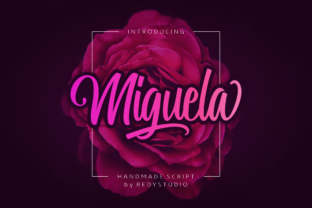
Miguela Script: A Dynamic Font for Modern Design
When you're working on a project that needs a personal, human touch, the typeface you choose does more than just convey words—it sets a mood. A rigid, geometric font can feel corporate and distant. A classic serif might feel traditional and authoritative. But for designs that call for warmth, energy, and a touch of spontaneous charm, you need something with a different kind of rhythm. This is where a font like Miguela Script enters the conversation. It’s not just another script font; it’s a tool for injecting immediate personality into your work.
The Anatomy of a Casual, Flowing Script
At its core, Miguela Script is a casual fresh script. What does that mean in practical terms? Imagine the effortless flow of a handwritten note from a friend, but refined for professional use. Its dynamic flow is its defining characteristic. The letters connect with a natural, often bouncing baseline, creating a sense of movement and liveliness. This isn't the stiff, formal calligraphy of a wedding invitation from decades past. Instead, it feels modern, approachable, and full of energy.
The visual personality of Miguela Script strikes a careful balance. It’s handwritten without being messy or childish. The letterforms have enough consistency and polish to be legible at various sizes, yet they retain the charming imperfections that give script fonts their authenticity. The strokes often have a pleasant contrast, with thicker downstrokes and thinner upstrokes, adding to its crafted feel. This makes it a highly versatile creative font that can adapt to a surprising range of contexts, from a bold headline to a subtle accent.
Where Miguela Script Truly Shines: Real-World Applications
Understanding a font's personality is one thing; knowing where to deploy it is another. Miguela Script’s strength lies in applications where connection and visual appeal are paramount. It’s a fantastic choice for logo design, especially for brands that want to project a friendly, artisanal, or boutique image. Think of a local coffee roaster, a handmade skincare line, a creative studio, or a cozy bakery. The font instantly communicates a level of care and personal investment that sterile, corporate fonts cannot.
Beyond logos, consider its role in brand identity systems. It can be used for subheadings, pull quotes, or signature elements in stationery, letterheads, and business cards. In packaging design, a snippet of text set in Miguela Script on a product box or label can draw the eye and suggest a handcrafted quality. For editorial design, it works beautifully for magazine cover lines, article callouts, or chapter titles in lifestyle publications, adding a layer of editorial flair.
The digital space is equally receptive. For social media graphics, Miguela Script can make quotes, announcements, and promotional posts stand out in a crowded feed. Its readability at typical screen sizes for display text makes it a strong contender for website headers and web design elements, though careful pairing is essential. It’s also a go-to for printed quotes, greeting cards, posters, and event invitations—anywhere you want to create an immediate, emotional connection with the viewer.
Making Miguela Script Work for Your Project
Choosing a premium font is an investment, and applying it effectively requires some thought. Here’s how to integrate Miguela Script into your workflow successfully.
Evaluate the Fit: First, ask if the font’s casual, energetic personality aligns with your project’s tone. It’s perfect for brands that are approachable, creative, and youthful. It might not be the best fit for a law firm or a financial institution seeking to convey utmost formality and tradition. Always consider your audience and the message you need to send.
Master the Font Pairing: A script font like Miguela rarely works well alone for body text. Its power is in headlines and accents. The key is to pair it with a complementary typeface that handles the heavy lifting. A clean, geometric sans serif font often provides the perfect modern counterbalance, letting the script headline pop without visual competition. A sturdy, old-style serif font can also work, creating a more traditional yet still dynamic contrast. Test pairings for visual harmony and readability.
Explore Included Styles: A quality commercial font like Miguela Script often comes with more than just the base letters. Check for stylistic alternates, swashes, and ligatures. These extra glyphs are invaluable for customizing the look, avoiding repetitive letter shapes, and tailoring the font to your specific design needs, especially in logos where uniqueness is key.
Prioritize Readability: The most beautiful font is useless if no one can read it. Use Miguela Script for short bursts of text—headlines, subheads, logos, quotes. For longer sentences or smaller sizes, always opt for a highly legible display font or body copy font. Test your designs at the intended size and medium (print vs. screen) to ensure clarity.
Understand the License: Before using any design assets in a commercial project, confirm the licensing terms. A reputable premium font will have a clear license that outlines permitted uses (e.g., on websites, in printed merchandise, for client work). This protects you and ensures you’re supporting the type designer’s work.
In the end, Miguela Script is more than just a collection of glyphs. It’s a versatile modern typography tool designed to add life, warmth, and a distinctly human feel to a wide array of projects. By understanding its strengths and applying it with intention, you can leverage its dynamic flow to create designs that don’t just look good, but feel genuinely engaging.